

Corporate Social Responsibility (CSR)
At FaLGates, agriculture is more than food production. We support the people, communities, and environments behind it to build stronger food systems and a sustainable future.
Our CSR Policy
Sustainability is not an add-on to our business; it is built into its foundation. We embed social responsibility into every decision, from how we farm and process to how we engage with communities and protect natural resources. Guided by ethical governance, human rights, and environmental stewardship, our CSR policy ensures that growth is shared and inclusive.
Our CSR Focus Area
Empowering Farmers
We partner with smallholder farmers to strengthen the foundation of local agriculture. Through access to quality seeds, fertilizers, and other essential inputs, we help them improve productivity and crop yield. We also provide training on modern farming techniques and offer guaranteed market access for their harvests, reducing risk and ensuring stable incomes. By building their capacity and connecting them to reliable value chains, we enable farmers to grow stronger businesses and contribute to food security in their communities.
Education and Youth Development
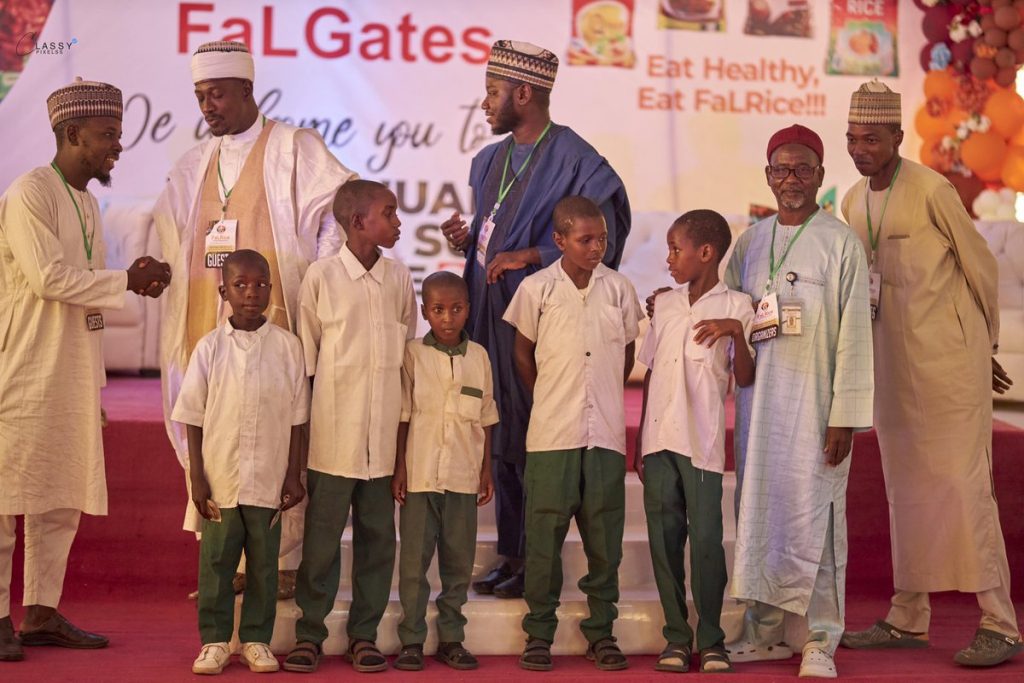
We believe that the future of agriculture depends on the next generation. That’s why we support education and skill development for young people in rural areas. Our programs include scholarships, mentorship, and vocational training designed to equip them with practical skills for work in agriculture and related industries. By investing in education and creating pathways to employment, we help young people unlock their potential and become active contributors to the growth of their communities.
Community Health and Nutrition
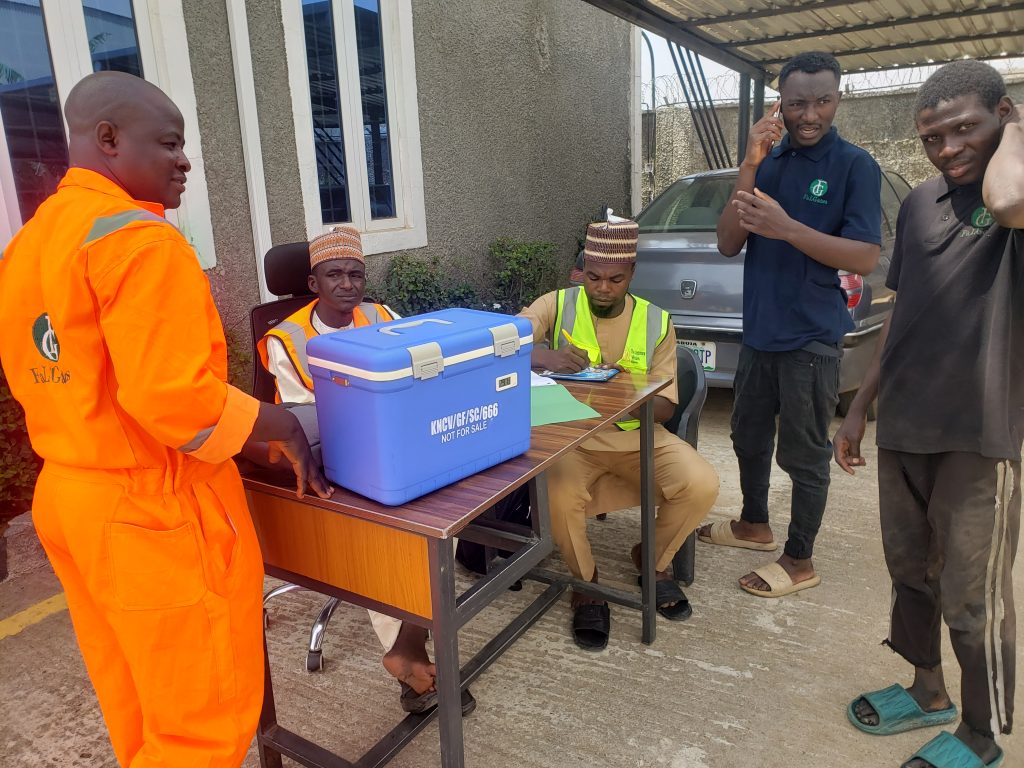
Healthy communities are essential for a thriving agricultural system. We work to improve health and nutrition by running outreach programs focused on food security, hygiene, and dietary education. Our initiatives raise awareness about balanced nutrition, support access to safe food, and encourage better hygiene practices in rural areas. Through these efforts, we aim to reduce malnutrition, strengthen community well-being, and create a healthier environment where people and agriculture can thrive together.
Environmental Conservation
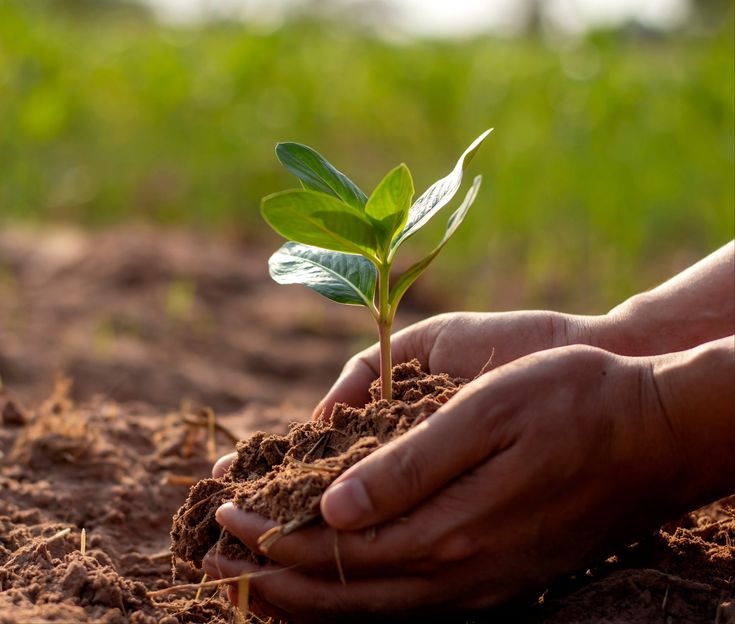
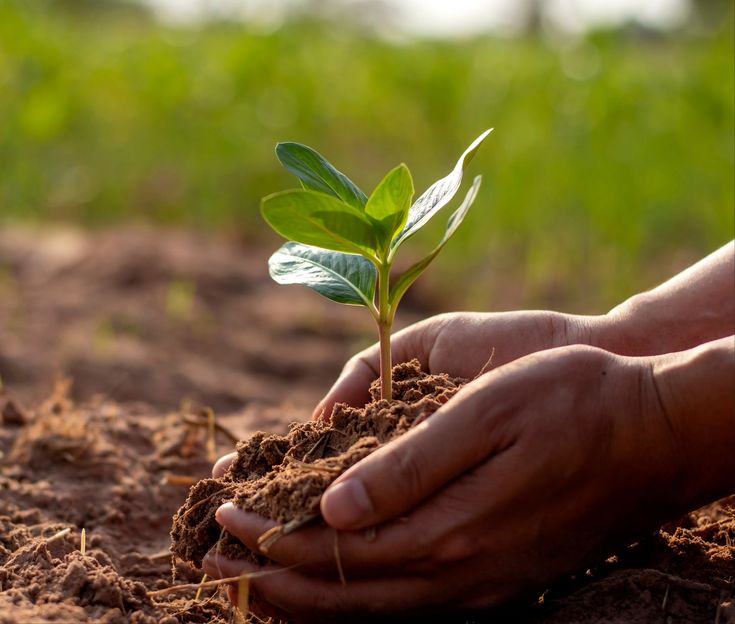
Sustainable agriculture depends on a healthy environment. We support environmental conservation through tree planting campaigns, responsible waste management initiatives, and education on sustainable farming practices. These actions help protect soil quality, conserve water, and reduce the long-term impact of farming on the ecosystem. By promoting practices that preserve natural resources, we aim to build a future where agriculture and the environment grow in balance.
Our Initiative
Outgrower Support Scheme
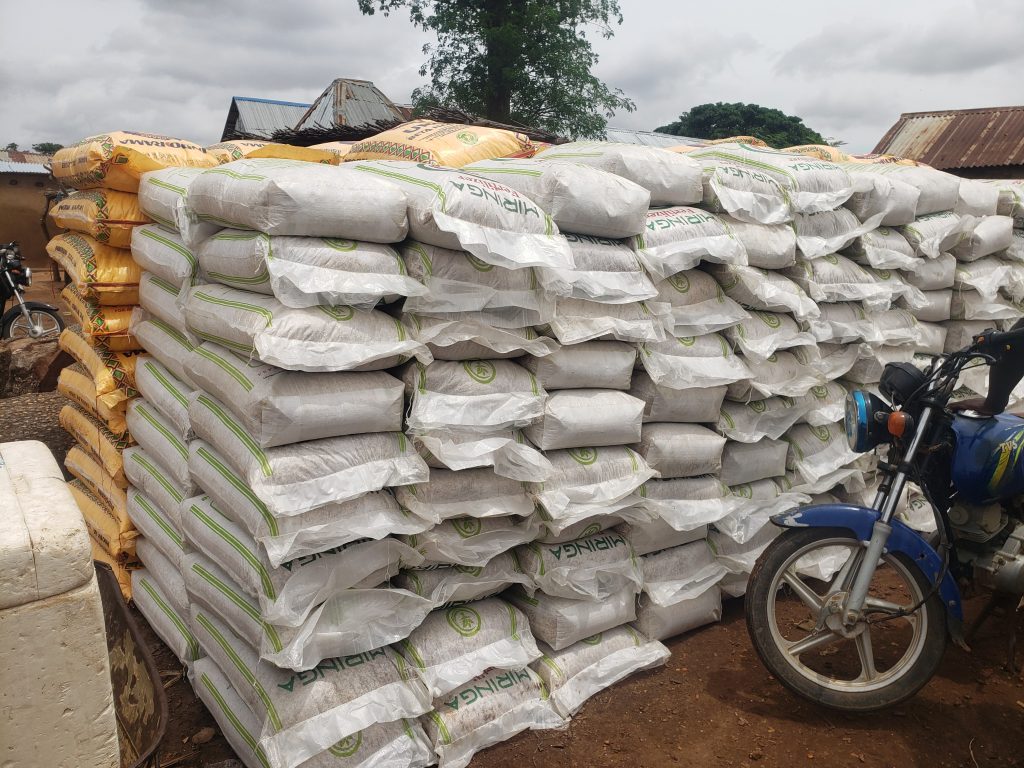
We work closely with smallholder farmers to help them become active participants in a stronger agricultural value chain. Through targeted training programs, we equip them with practical knowledge of modern farming techniques that improve yield and quality. We also provide access to finance and essential inputs, removing the barriers that often limit their productivity. By guaranteeing offtake for their harvests, we reduce market uncertainty and create stable income streams. This approach strengthens rural livelihoods and ensures a steady supply of high-quality paddy for processing.
Ingrower Development Program
Our ingrower farms are more than just production sites. They act as testing grounds where we trial new farming techniques, crop varieties, and innovative practices before introducing them to the wider network of outgrowers. This model allows us to refine methods, measure results, and scale only what works. The lessons learned from these farms are shared across our farmer network, improving productivity, sustainability, and resilience. By treating ingrower operations as hubs for research and development, we help raise the overall standard of rice cultivation in the regions where we operate.
Community Health and Education
We understand that healthy, educated communities are essential to sustainable agriculture. That is why we invest in primary healthcare initiatives that focus on disease prevention, maternal health, and access to basic medical services. Alongside this, we support educational programs that improve literacy and provide learning opportunities for children and adults in rural areas. These efforts help reduce preventable diseases, build human capacity, and improve overall quality of life. By addressing health and education together, we create stronger communities that are better equipped to support and benefit from agricultural growth.